Wine / Sound / Somerset
SoundPairing
Minerva wines are shaped by limestone, weather, patience and texture. Sound gives that texture a second language.
The Pairings
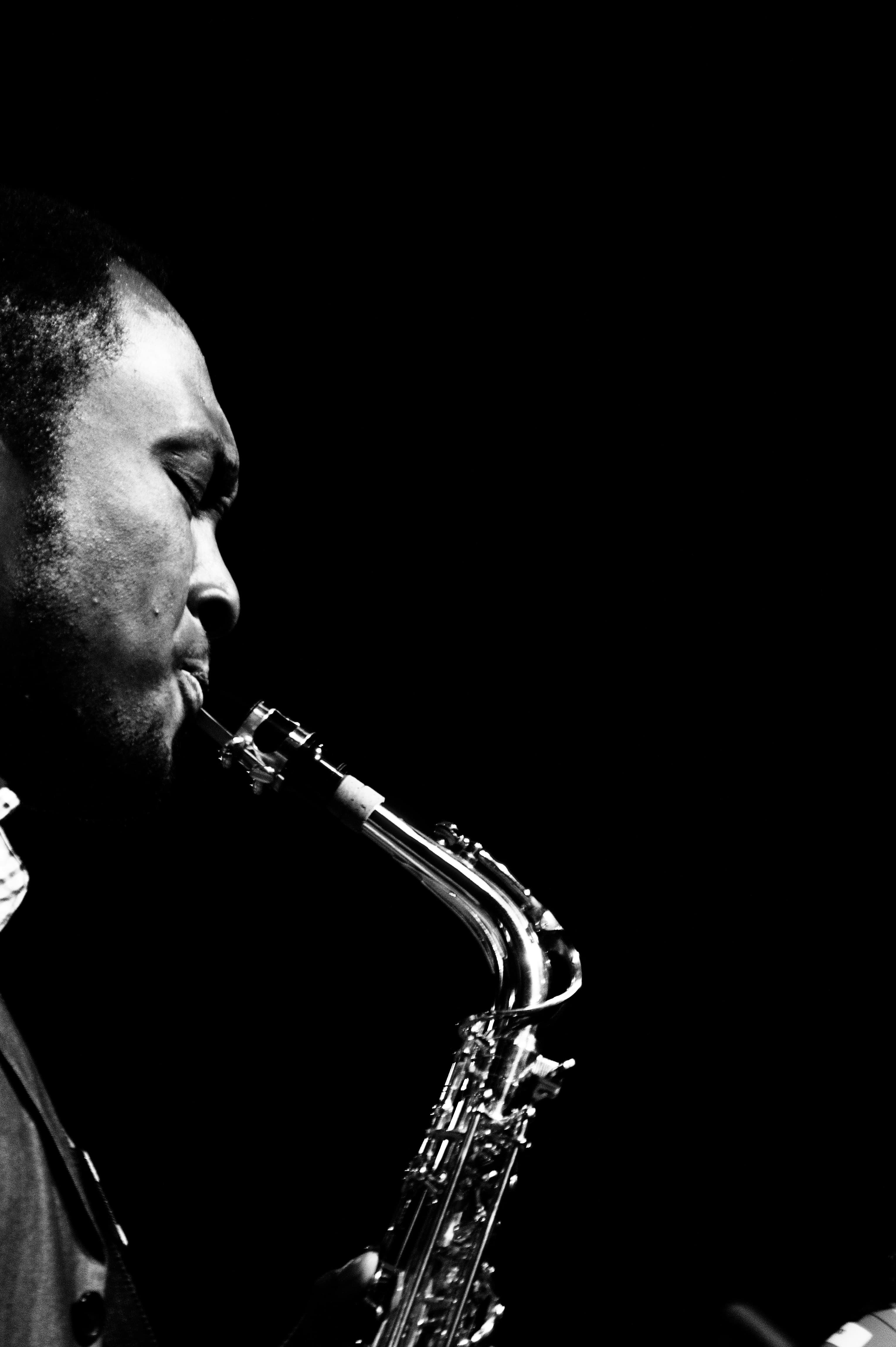
Jazz
Late night. Complex. Dry.Minerva Chardonnay 2024
Explore PairingWhy sound
Taste has rhythm.
01
Texture
Bubbles, tannin and mineral snap behave like tempo: they move across the palate.
02
Memory
A track can pull a wine into focus, making aroma and mood easier to name.
03
Place
Bath limestone gives Minerva structure. Sound reveals its emotional register.
01 / Method
A pour is paired to texture, memory and place.
Every Minerva pairing begins with the wine: acidity, weight, finish, aromatic lift and the way it changes temperature in the glass. Only then do we listen for sound that can hold the same shape.
Lorem ipsum dolor sit amet, consectetur adipiscing elit, sed do eiusmod tempor incididunt ut labore et dolore magna aliqua. In the Minerva cellar, that placeholder becomes a system: tempo for freshness, tone for texture, silence for the space a wine leaves behind.
The result is not a playlist placed beside a bottle. It is an atmosphere built around the moment when flavour, memory and rhythm begin to overlap.
- 01
- Acidity / tempo
- 02
- Texture / timbre
- 03
- Finish / decay
02 / Effect
Sound changes how the room receives the glass.
Wine is never tasted in isolation. Light, temperature, conversation and music all shape perception. Sound can soften tannin, sharpen citrus, extend a finish or make a familiar aroma feel newly legible.
Lorem ipsum dolor sit amet, consectetur adipiscing elit. Integer posuere erat a ante venenatis dapibus posuere velit aliquet. In practice, the effect is simple: the right track slows the drinker down enough to notice what the vineyard has already done.
This is why Minerva treats sound as part of the serving ritual. The bottle carries Bath limestone; the music reveals its emotional register.
- 01
- Mood / memory
- 02
- Silence / focus
- 03
- Place / resonance
Serving notes
A pairing should not tell you what to taste. It should make room for the wine to become more precise.
First pour
The wine leads. Fruit, mineral line and structure establish the shape of the room.
Sound enters
Music is introduced as a companion texture, never as a distraction from the glass.
Afterglow
The final note and the final flavour leave together, quiet enough to notice the wine's length.